Mai Tanaka on leadership, AI, and why she chose to help shape Kentaur Preschool
Published: March 4, 2026
Miscellaneous, Operations
Tellusbarn is currently working to implement “Kentaur ” as a new digital preschool system. One of the preschools leading the pilot program is headed by Mai Tanaka, principal of two preschools in Södermalm. She is also one of the people involved in testing and developing “ Kentaur ” Preschool in practice. For Mai, participation isn’t about the technology itself. It’s about leadership, a peaceful work environment, and creating better conditions for educators in their day-to-day work.
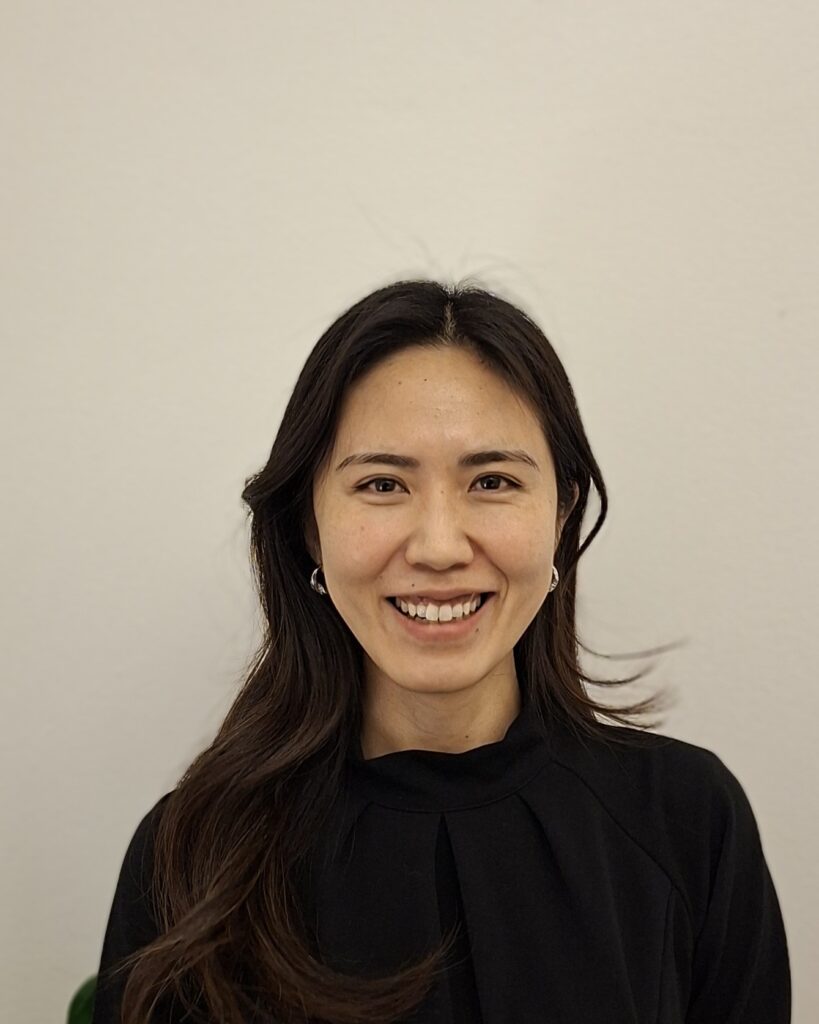
Leadership that provides direction and reassurance
Mai Tanaka has been working at Tellusbarn for nearly five years and describes her role as firmly rooted in the organization’s operations.
“At its core, my job is to create the best possible conditions for educators to do their work.”
This means setting priorities, organizing, and keeping the business on track. She sees her role as an anchor that helps the organization stay focused on what matters.
“When the framework, priorities, and goals are clear, educators can focus their energy where it is needed most: in their interactions with the children.”
Reflection and development are an integral part of her leadership. She constantly asks why we do things the way we do, and how our approaches can be adapted to meet the children’s needs.
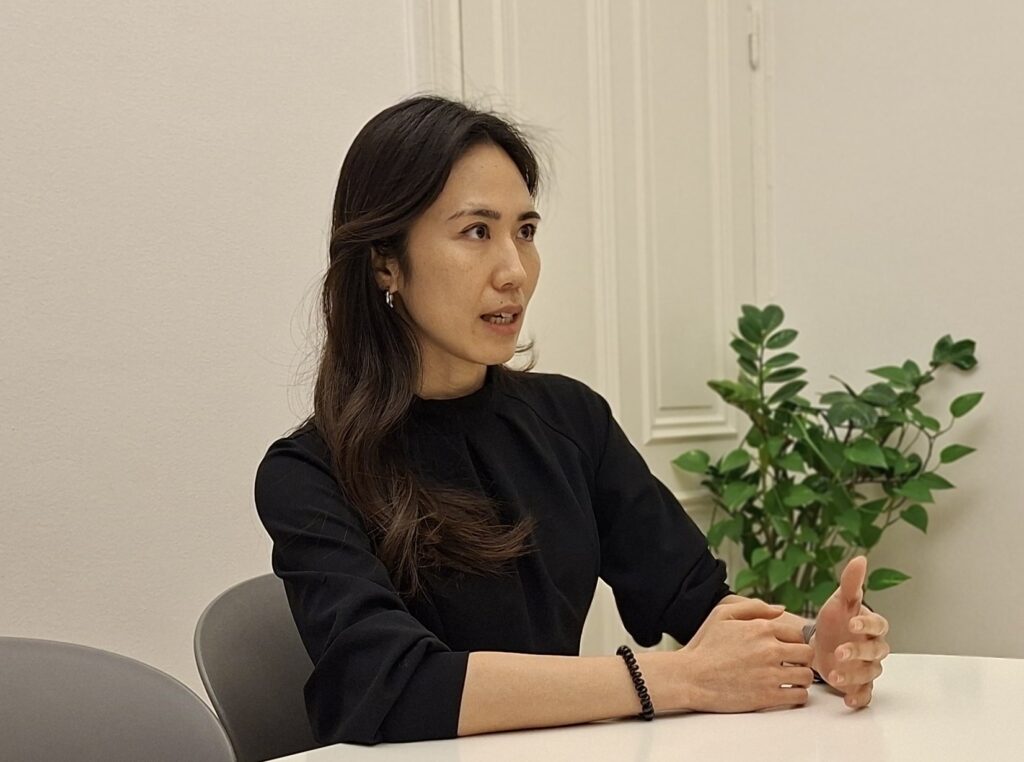
Curiosity about AI as a tool in everyday preschool life
Mais’s interest in AI stemmed from a desire to streamline and improve the work in preschool. She describes the educators’ daily routine as complex, with many tasks taking place simultaneously.
“Teachers have so many things on their plate every day. It’s almost like magic.”
For Mai, the potential lies in the fact that AI can serve as a support system that lightens the workload and provides structure. When AI is integrated as a natural part of a preschool system—rather than being used as a separate tool—it creates a different set of conditions.
For example, AI can listen to educators’ reflections, transcribe and compile content, or scan educational documentation over time. When this data is collected in a single system, it becomes possible to track progress and identify patterns in the work. This can contribute to more intentional teaching while reducing time-consuming tasks.
Focusing on human judgment
At the same time, Mai is clear about the limitations of the technology.
“AI can create well-formulated plans and goals, but it cannot understand the relational context. It cannot see how a child has developed over time or pick up on the subtle cues regarding a child’s well-being that educators notice in their daily work.”
The tacit knowledge that educators possess is complex and context-dependent. Not everything can or should be translated into data.
This is where the idea behind “ Kentaur ” becomes clear. “ Kentaur ” stands for collaboration between humans and AI, where human creativity, professional judgment, and interpersonal skills are combined with AI’s ability to create structure, analyze, and lighten the workload. Technology does not replace pedagogy or leadership; rather, it enhances them.
Helping to Shape Kentaur Preschool
When the opportunity arose to help shape the development of Kentaur Preschool, Mai decided to accept. For her, it was crucial that the system not be built on top of the preschool’s daily routine, but rather in tandem with it.
In discussions about this development, she has particularly emphasized the need to reduce duplication of effort and administrative tasks that do not add value. Today, educational documentation, reflection, and follow-up often take place in multiple steps and across different systems.
She has also emphasized the importance of the system supporting peer learning.
“Reflections should be meaningful and useful, not something that’s just done to check it off the list.”
The families’ perspective has also been a key consideration. The information needs to be clear, relevant, and easy to understand, so that it makes daily life and communication with the children easier.
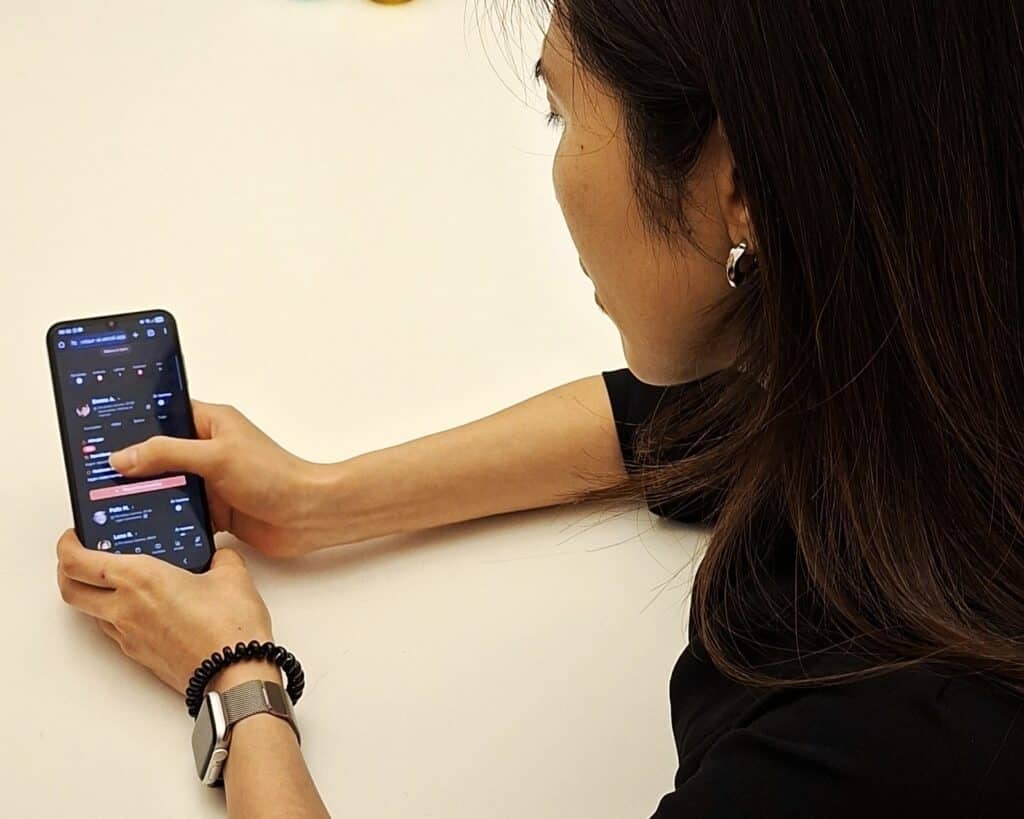
A system that strengthens leadership
For Mai, an effective system is closely linked to leadership. When information is collected, organized, and trackable over time, it creates better conditions for the principal’s role.
“I hope the system can provide a better overview and support for follow-up, without me having to request information that already exists but is currently difficult to compile.”
In this way, Kentaur Preschool can help free up time for what Mai sees as the core of her leadership: setting the direction, supporting the educators’ professional development, and keeping the focus on the children’s needs.
Outlook
As Mai looks to the future, she hopes th Kentaur Preschool will help create a calmer work environment and improve focus in everyday life.
“I hope that educators will have more time and energy to devote to the children, to reflecting together, and to improving their teaching.”
In a year’s time, she hopes to be able to say that digital tools are actually seen as a source of support, not just another requirement, and that documentation and planning feel more meaningful and more closely linked to the children and the program’s goals.